
An interview with Dr. Veronica Kitchen on designing, facilitating, and debriefing simulations and games to teach world politics, emphasizing experiential learning, emotional engagement, and decision-making under pressure.
📊 Quick Facts
| Type | Interview |
| Author | Alexandre GAIN |
| Published | April 1, 2026 |
| Source | Visit Source |
| Location(s) | PANSIM World Organisation |
🖼️ Illustrations
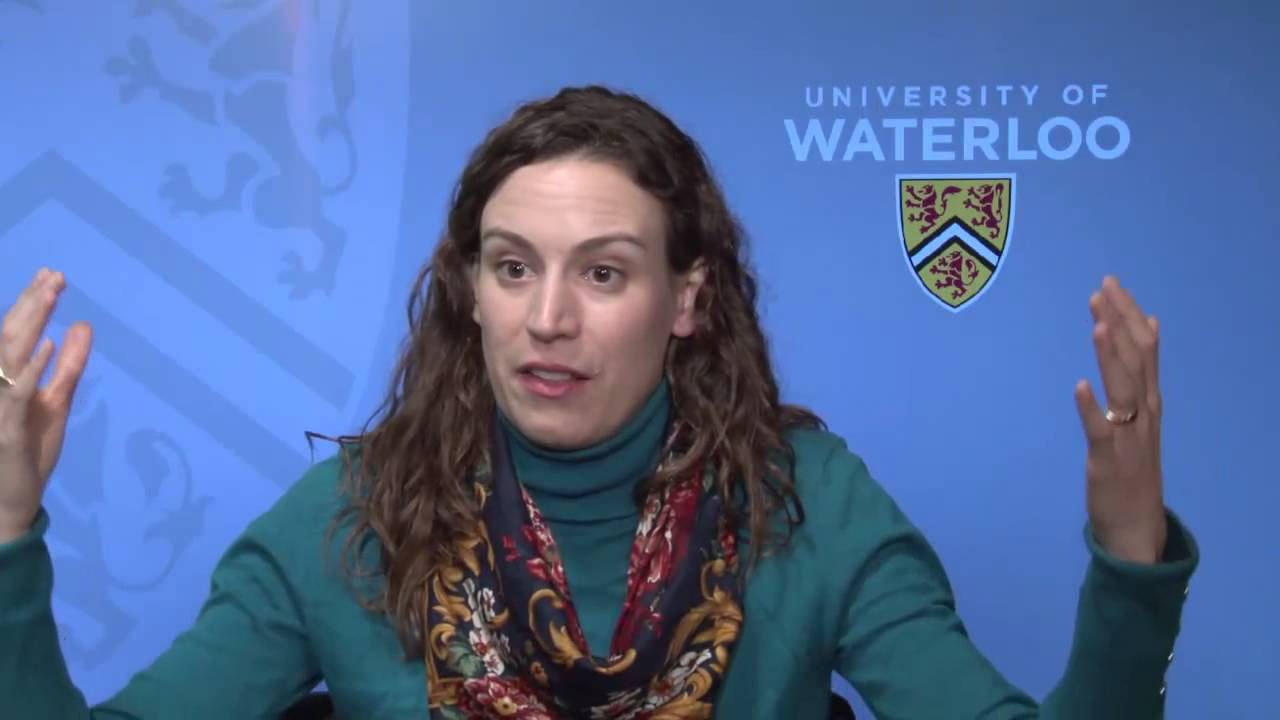
📝 Abstract
In this interview, the person interviewed explains how she integrates simulations and games to teach world politics in large lectures and small tutorials. She distinguishes short, movement-oriented games that spark discussion from more elaborate simulations in which students inhabit roles and solve problems. A signature crisis exercise, adapted from her research, positions teams as officials from Canada’s federal government, Quebec, and the United States responding to an attempted terrorist attack at Montreal’s airport, requiring coordinated, sequenced actions under constraints. Contrasting simulations with case studies, the person interviewed emphasizes creating bounded stress, incomplete information, and time pressure to illuminate concepts such as groupthink and decision-making. Preparation varies: sometimes students receive only minimal instructions to preserve discovery (e.g., a rock–paper–scissors card activity modeling the state of nature and classical realism), while role-play scenarios may be pre-briefed with contextual handouts. Central is a structured debrief that draws out abstractions—classical realism, collective action problems, and protocols—from students’ experience, enhancing retention through emotional engagement. She notes simulations can go off track, requiring facilitation to meet learning objectives, but when guided and debriefed well, they promote ownership, collaboration, and durable understanding.