
A courtroom proceeding captures opening statements and the first witness testimony in a Texas manslaughter case involving alleged texting-while-driving and a fatal motorcycle collision.
📊 Quick Facts
| Type | Interview |
| Author | Alexandre GAIN |
| Published | April 1, 2026 |
| Source | Visit Source |
| Location(s) | PractiCity Court House |
🖼️ Illustrations
📝 Abstract
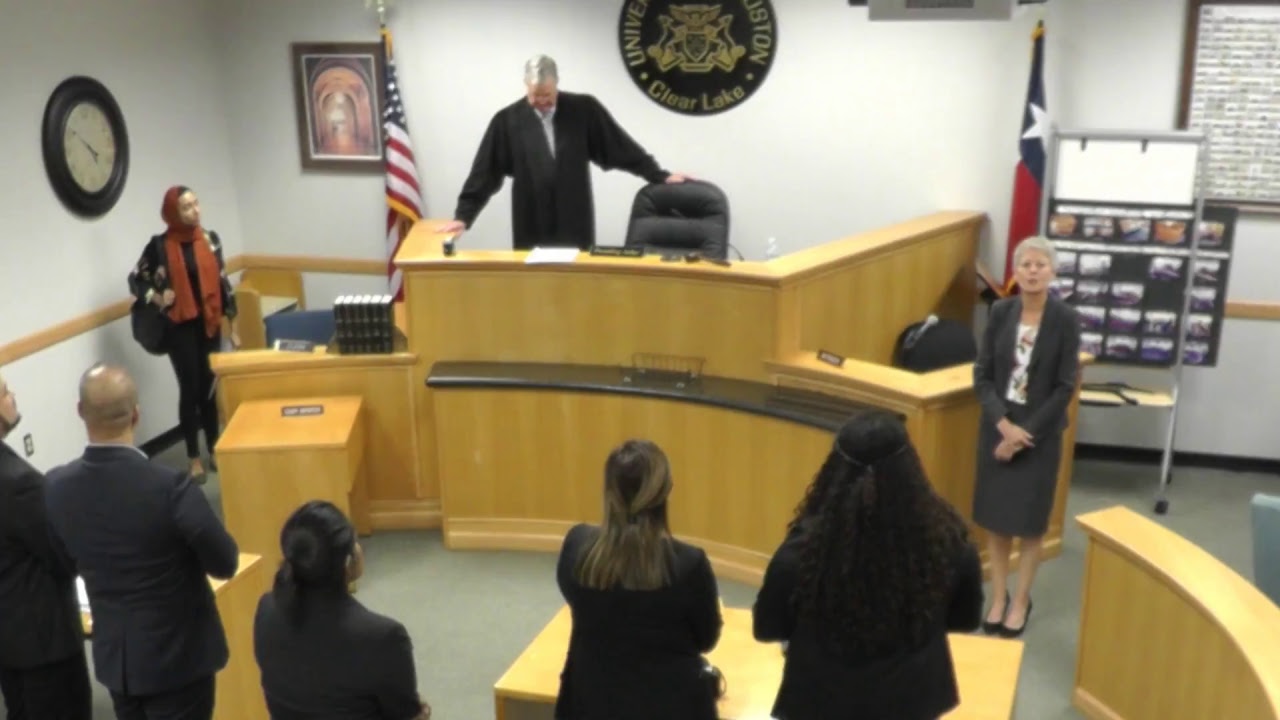
[Summary generated by AI] This video documents the commencement of a Texas jury trial in State of Texas v. Jordan Young, a manslaughter case arising from a fatal motorcycle collision. The proceedings begin with pretrial motions (including motions in limine), swearing and sequestration of witnesses under “the rule,” reading of the indictment, and entry of a not-guilty plea. The prosecution’s opening statement frames the case around alleged recklessness due to texting-while-driving, citing phone records reflecting 69 text interactions between 1:58 p.m. and 2:00 p.m., and describes the victim’s training and actions. The defense’s opening emphasizes reasonable doubt, arguing the records do not pinpoint the precise seconds of texting and suggesting a possible medical episode. The resources used include phone records, sworn testimony, and photographic exhibits: State’s Exhibits 1 and 2 (images of Highway 29 and the decedent’s motorcycle), which are admitted and published to the jury. Methods highlighted are evidentiary admission, witness identification of the defendant, and collision analysis. The person interviewed—a traffic officer—reports arriving before 2:15 p.m., observing EMS, vehicle damage, two sets of skid marks, the motorcycle roughly 100 feet from the marks, and the victim’s body about 185 feet from the road, supporting an inference that the driver was not watching the roadway. Outcomes include admitted exhibits, established elements for the charge, and initiation of the evidentiary record.