
Physiotherapy students describe how scripted, actor-led clinical simulations, feedback, and debriefing translate theory into patient-centered practice while reducing anxiety and improving communication.
📊 Quick Facts
| Type | Interview |
| Author | Alexandre GAIN |
| Published | April 1, 2026 |
| Source | Visit Source |
| Location(s) | David Gaba Hospital |
🖼️ Illustrations
📝 Abstract
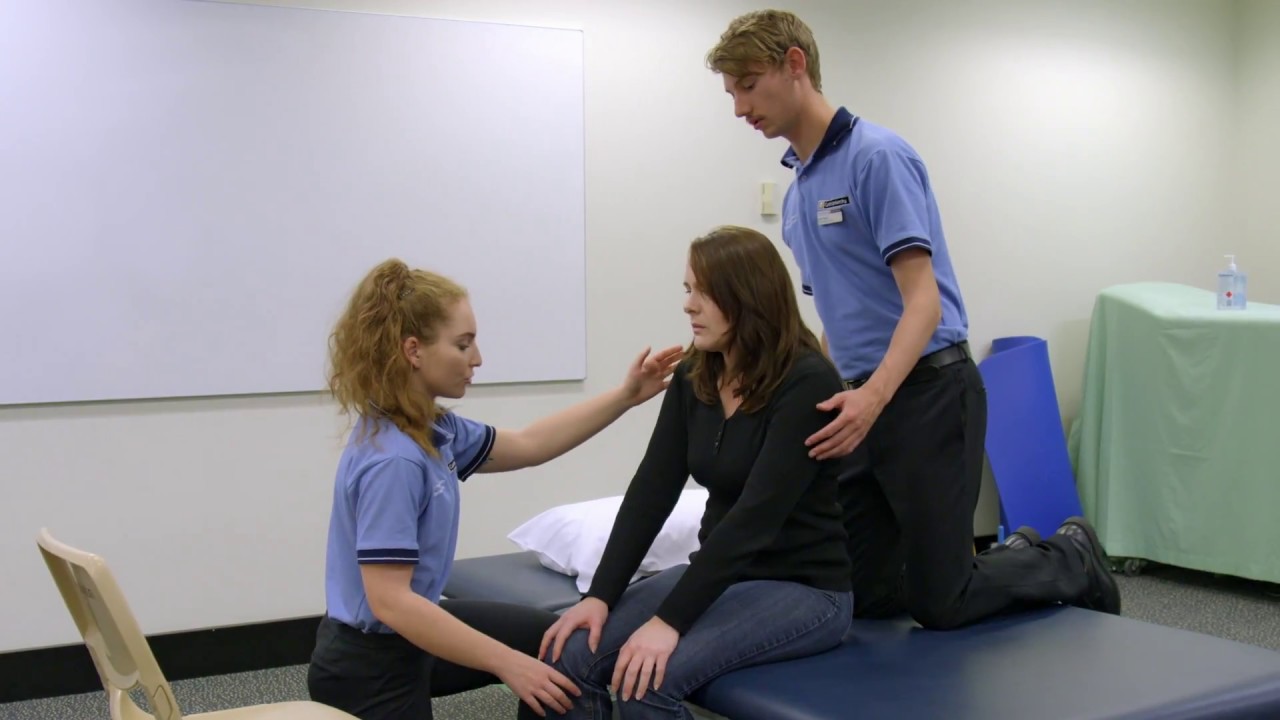
[Summary generated by AI] In this video, the person interviewed explains how physiotherapy students use simulation to bridge classroom theory and clinical practice. Resources include scripted scenarios, trained actors serving as simulated patients who model realistic social histories and symptoms, dedicated simulation spaces, and on-site supervisors who provide formative feedback. Methods center on low-stakes, scenario-based role-play, deliberate practice, and structured debriefing with peers, actors, and faculty to rationalize assessment and treatment decisions and refine communication. The person interviewed emphasizes iterative exposure to diverse cases, encouragement to “give it a go,” and the value of feedback on pacing and clarity of explanations. Outcomes reported include reduced anxiety and perceived pressure, improved confidence, better transfer of theoretical knowledge to patient management, enhanced ability to justify clinical reasoning, and measurable gains in patient-centered communication (e.g., slow, controlled speech). Deliverables illustrated are practical demonstrations of patient interaction, reflective takeaways students apply once employed, and an instructional model for integrating simulation into physiotherapy curricula to approximate real-life practice while maintaining psychological safety.