
A multidisciplinary overview of Loyola University Chicago’s service- and experiential-learning models that connect students with community partners to conduct research, create deliverables, and achieve measurable impact.
📊 Quick Facts
| Type | Interview |
| Author | Alexandre GAIN |
| Published | April 1, 2026 |
| Source | Visit Source |
| Location(s) | The DEBRIEF Magazine |
🖼️ Illustrations
📝 Abstract
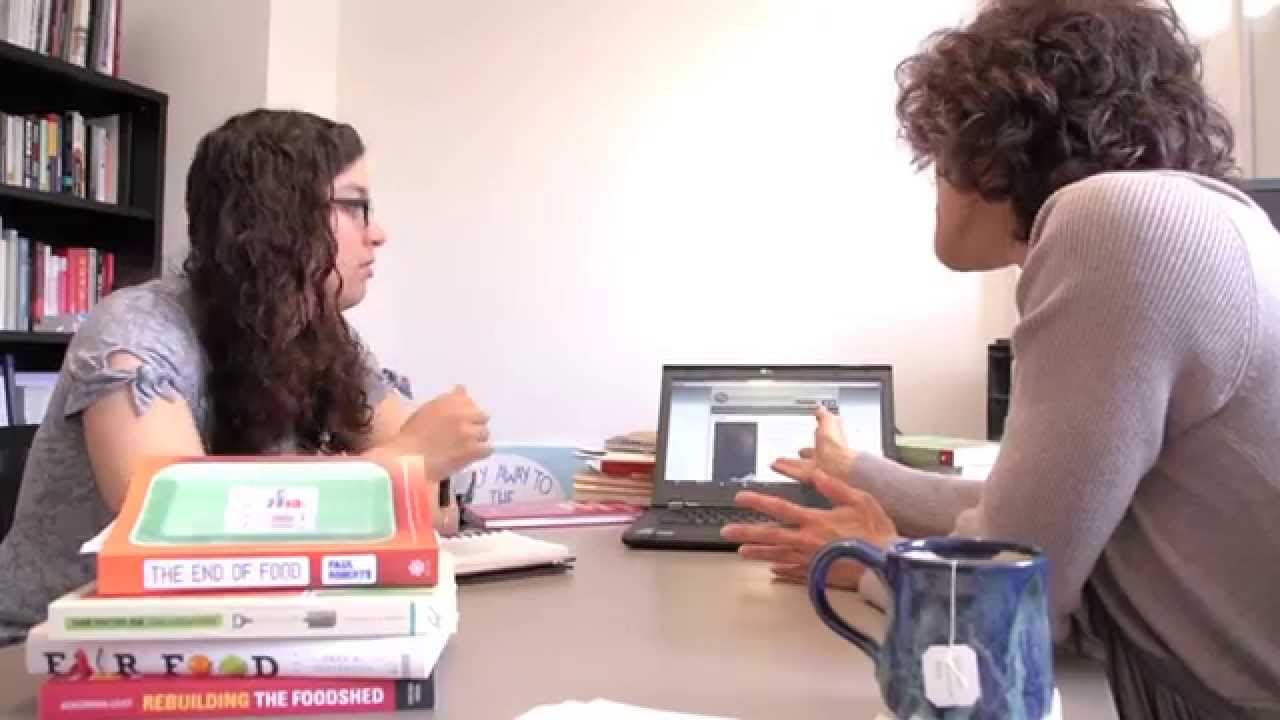
[Summary generated by AI] In this institutional case study video, the author outlines Loyola University Chicago’s integrated service and experiential learning infrastructure across multiple disciplines. Drawing on resources that include community partners in Chicago neighborhoods, startup and nonprofit client organizations, a partner elementary school, faculty mentors, and campus platforms such as a student-produced magazine, the author documents how coursework is built around real stakeholders. Methods highlighted include faculty-mentored student research and interviews on environmental initiatives; client-based marketing research featuring primary data collection, analysis, and reporting; community-engaged field reporting culminating in a magazine; and a sequenced creative drama pedagogy that moves from seminar-based preparation to theater games with eighth graders, who then devise and perform original monologues of historical figures. Outcomes and deliverables span actionable client reports that inform strategic planning and product decisions—culminating in at least one product launch—publishable social-justice narratives, youth performances and peer teaching, and immediate evidence of pedagogical impact. The author emphasizes reflective practice, problem-solving, independence, and alignment with Jesuit values of community engagement. Collectively, the cases demonstrate how hands-on learning equips students with research, analysis, and communication skills while meeting partner needs and strengthening university–community ties.