
An overview of how a Police Sciences department employs the Hydra Suite to run an immersive, recorded missing-person investigation simulation for undergraduates, emphasizing reflective practice over assessment.
📊 Quick Facts
| Type | Interview |
| Author | Alexandre GAIN |
| Published | April 1, 2026 |
| Source | Visit Source |
| Location(s) | PractiCity Police Station |
🖼️ Illustrations
📝 Abstract
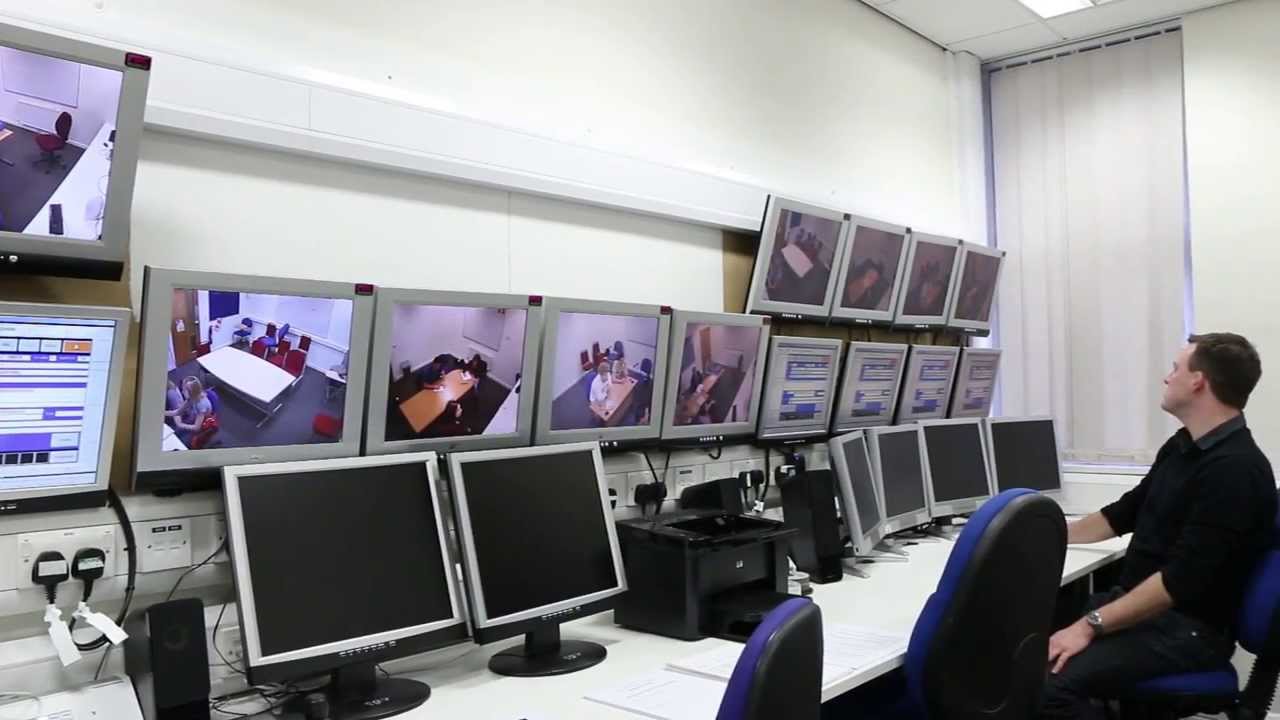
[Summary generated by AI] In this video, the person interviewed outlines the use of a Hydra Suite within a Police Sciences department to deliver an immersive learning exercise centered on a missing person investigation. The resources include a purpose-built simulation environment equipped with comprehensive audio-visual recording capabilities, a structured case file providing sufficient initial information to launch an inquiry, and role briefs that position participants as attending police officers. The methods involve students conducting the authentic early stages of a police response: attending the residence, taking an initial report, and undertaking follow-on investigative actions appropriate to first responders. All activities are recorded, not for summative assessment, but to support reflective practice, enabling students to review their decision-making, communication, and procedural adherence. As undergraduates with no prior law enforcement experience, participants benefit from a realistic approximation of professional practice prior to field exposure. The primary outcomes are skill development in interviewing, information gathering, and early investigative reasoning, with deliverables comprising the audio-visual session records and the practical outputs generated during the exercise (e.g., initial reports and action logs) that serve as focal points for guided reflection and skills consolidation.