
A profile of WVU’s hands-on Forensic Accounting and Fraud Investigation certification led by Dr. Riley, detailing search-warrant simulations, real-case data mining, and courtroom evidence training that prepare graduates to prevent, detect, and prosecute fraud.
📊 Quick Facts
| Type | Interview |
| Author | Alexandre GAIN |
| Published | April 1, 2026 |
| Source | Visit Source |
| Location(s) | Hanon Fuller's Appartment |
🖼️ Illustrations
📝 Abstract
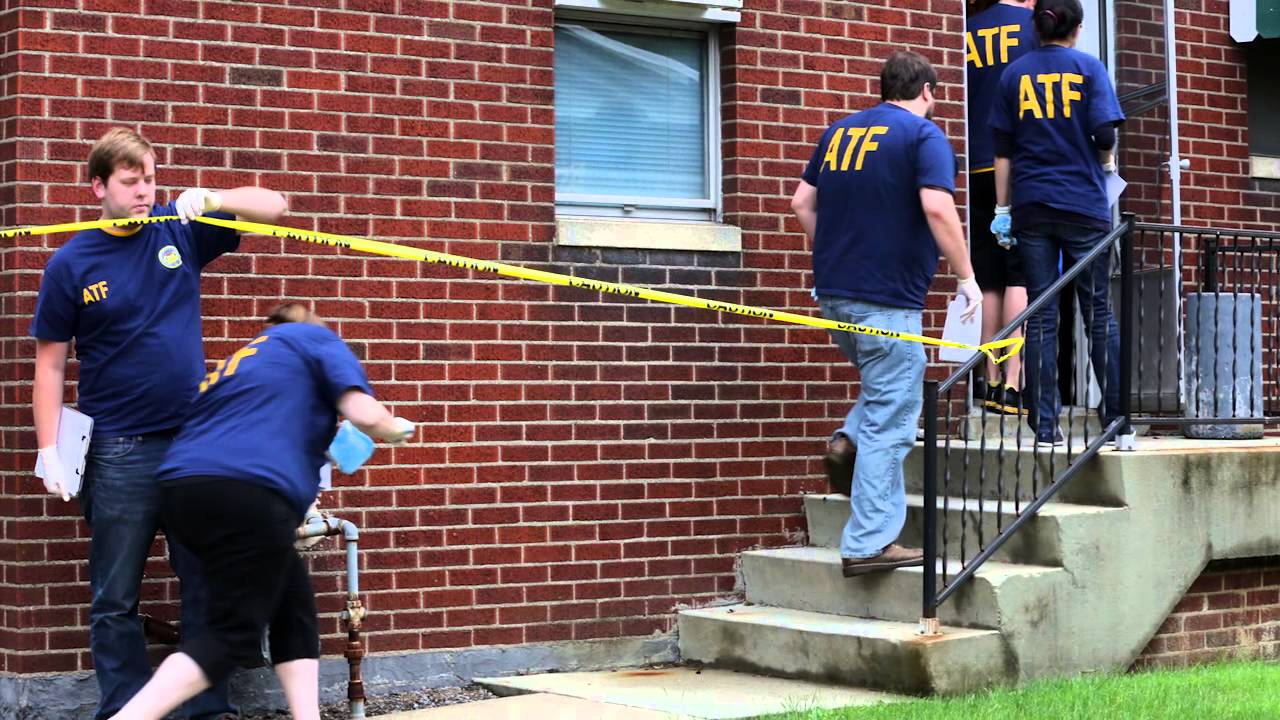
[Summary generated by AI] This video profiles West Virginia University’s Forensic Accounting and Fraud Investigation (FAFI) certification at a time when few universities offered dedicated curricula in fraud examination. The person interviewed explains how Dr. Riley and colleagues pioneered a hands-on program that contrasts with traditional textbook instruction. Resources highlighted include a mock crime-scene house for executing simulated search warrants, real case files from matters that resulted in convictions or guilty pleas, and data-mining tools used to interrogate financial and digital records. Methods center on experiential learning: planning and conducting searches, collecting and preserving physical and electronic evidence, maintaining documentation, analyzing datasets, and preparing courtroom-ready exhibits while practicing testimony to withstand evidentiary challenges. Outcomes emphasize accelerated exposure to diverse fraud schemes, immediate workplace readiness, and integration of proactive fraud prevention and detection in response to recent financial scandals. Student deliverables comprise cataloged evidence sets, analytic workpapers, data-mining outputs, and trial presentation materials. The person interviewed reports the training enabled them to hit the ground running, while faculty underscore that the same techniques in real cases have produced evidence strong enough to secure guilty pleas, demonstrating the program’s applied rigor.