
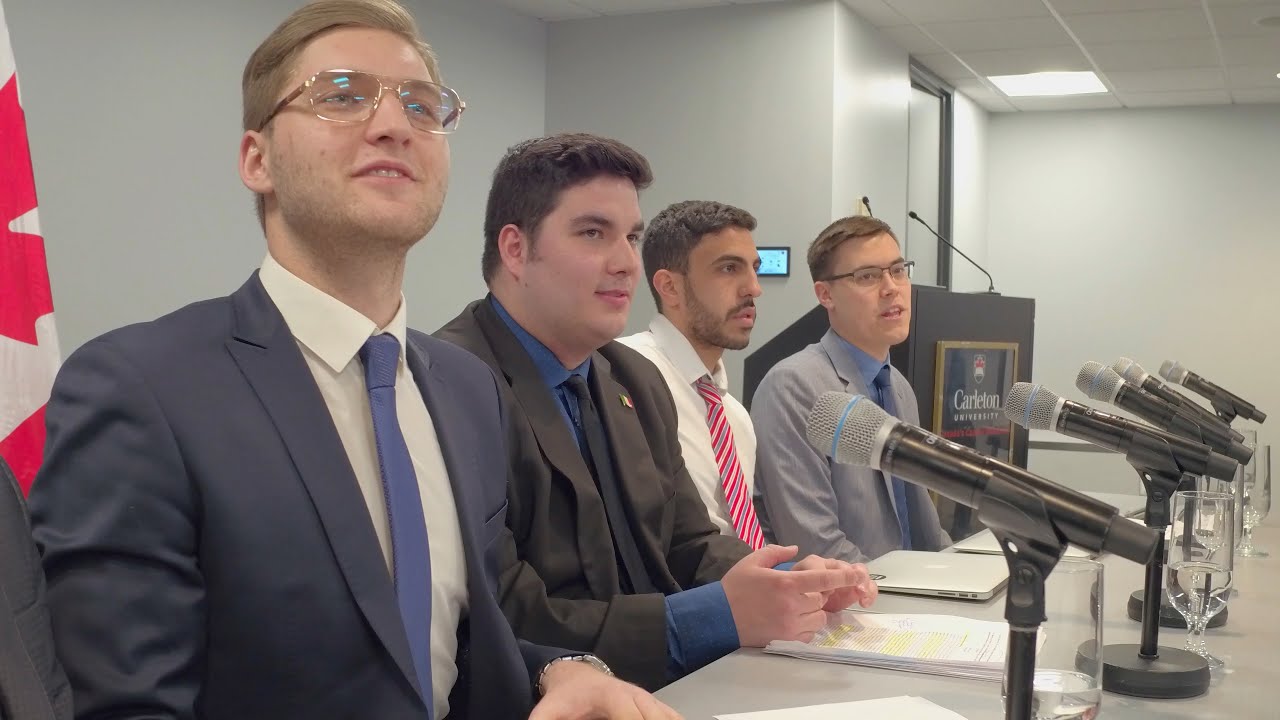
A university course uses a diplomatic negotiation simulation to connect theory with practice, develop collaboration and communication skills, and prepare students for real-world challenges on topics like immigration and refugees.
📊 Quick Facts
| Type | Interview |
| Author | Alexandre GAIN |
| Published | April 1, 2026 |
| Source | Visit Source |
| Location(s) | PANSIM World Organisation |
🖼️ Illustrations
📝 Abstract
[Summary generated by AI] The author presents a university course that integrates theoretical instruction with experiential learning through a structured diplomatic negotiation simulation. Resources include core readings on negotiation styles and international relations, instructor guidance, and curated simulation materials focused on contemporary policy issues such as immigration and refugees. Methods combine pre-simulation study of negotiation frameworks, role assignments, agenda setting, moderated discussions, and iterative, face-to-face bargaining among peers with divergent perspectives, followed by reflective debriefs to connect concepts to practice. The person interviewed emphasizes that the simulation helps typically reserved students overcome participation barriers, strengthens collaboration across differences, and cultivates a nuanced understanding of how diplomatic processes unfold beyond classroom theory. Reported outcomes include broadened analytical thinking, enhanced communication and consensus-building, and workforce-ready interpersonal skills. Deliverables produced within the simulation include organized discussion points, articulated negotiating positions, and provisional agreements that demonstrate application of theory to practical problem-solving. Overall, the course shows how learning-by-doing can deepen comprehension of complex international issues while preparing students for professional environments where diplomacy and negotiation are essential.