
A classroom simulation uses tangible tokens and real-world data to explore the human impacts and policy trade-offs of cutting and reallocating federal spending.
📊 Quick Facts
| Type | Interview |
| Author | Alexandre GAIN |
| Published | April 1, 2026 |
| Source | Visit Source |
| Location(s) | PractiCity City Hall |
🖼️ Illustrations
📝 Abstract
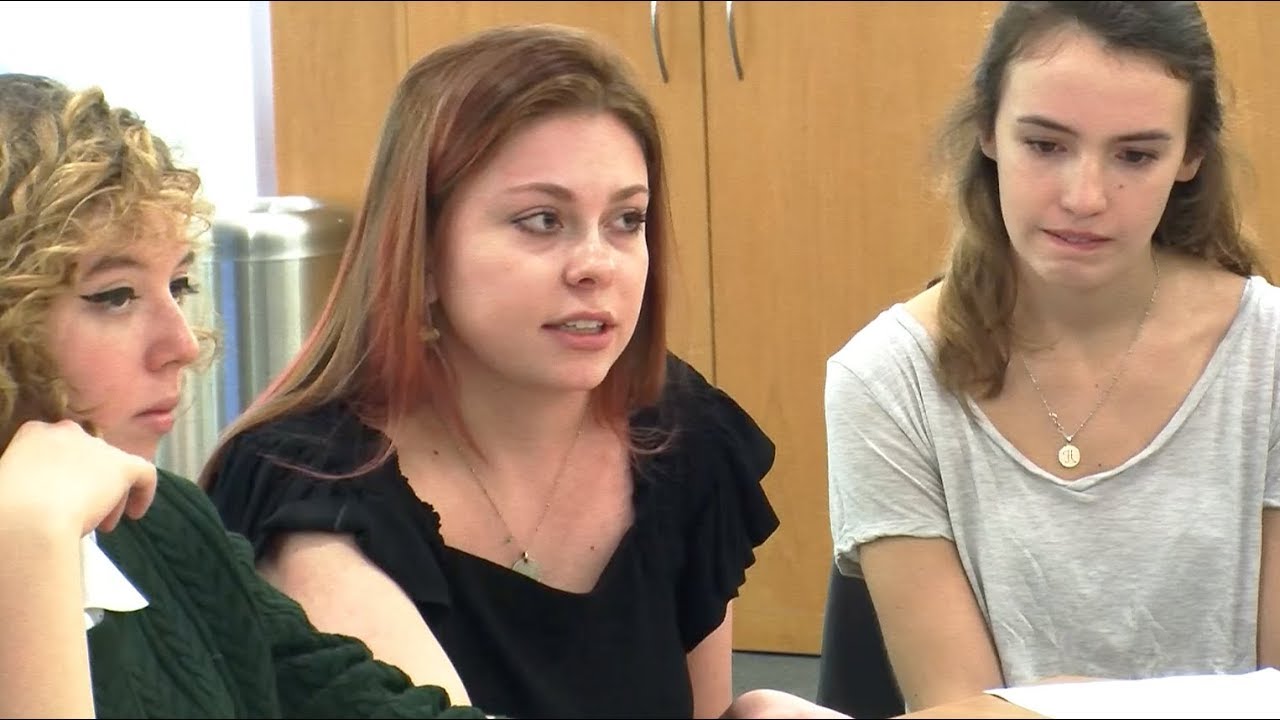
[Summary generated by AI] This video documents a classroom-based public policy simulation in which the author guides students through the process of cutting and reallocating federal spending to illuminate real-world trade-offs. Using tangible resources—poker chips representing budgetary funds across domains such as transportation, energy, agriculture, health care, conservation, and defense—the author grounds deliberation in news reports, basic statistics (e.g., approximately 19 million U.S. veterans in 2015), and concrete program outcomes. Methods include small-group negotiation, scenario prompts (e.g., removing $10 billion from highways within a roughly $44.2 billion category), and facilitation that links abstract cuts to specific consequences (e.g., health insurance loss, water quality risks, infrastructure deterioration). The exercise emphasizes fact-finding, justification of allocations, and exposure to diverse viewpoints as students move beyond prior assumptions about government inefficiency. Outcomes include increased awareness of stakeholder impacts, recognition of interdependence among policy areas, and shifts in learners’ perceptions of “boring” categories as they confront evidence-based consequences. Deliverables consist of group reallocation plans, articulated rationales for cuts and increases, and reflective insights on value conflicts and unintended effects. The person interviewed and student voices underscore that budget decisions are not merely numerical adjustments but choices with immediate human and environmental implications.